Quick Answer
The best way to store cut avocado is in an airtight container
in the refrigerator, cut side down. This minimizes air
exposure to the flesh and slows oxidation. Stored this way,
cut avocado stays fresh for 24–48 hours. Avoid leaving cut
avocado at room temperature or storing it in water — the FDA
has warned that water storage can allow bacteria like Listeria
and Salmonella to multiply on the skin.
You cut a perfectly ripe avocado, use half, and by the time you open the fridge the next morning it has turned a sad shade of brown. Sound familiar?
The frustrating part is not the browning itself — it is the waste. Half an avocado thrown away because nobody figured out how to store it properly.
In this guide we tested five common storage methods side by side, measured real results, and ranked them so you know exactly what works and what is just kitchen folklore.
Why Avocados Turn Brown After Cutting
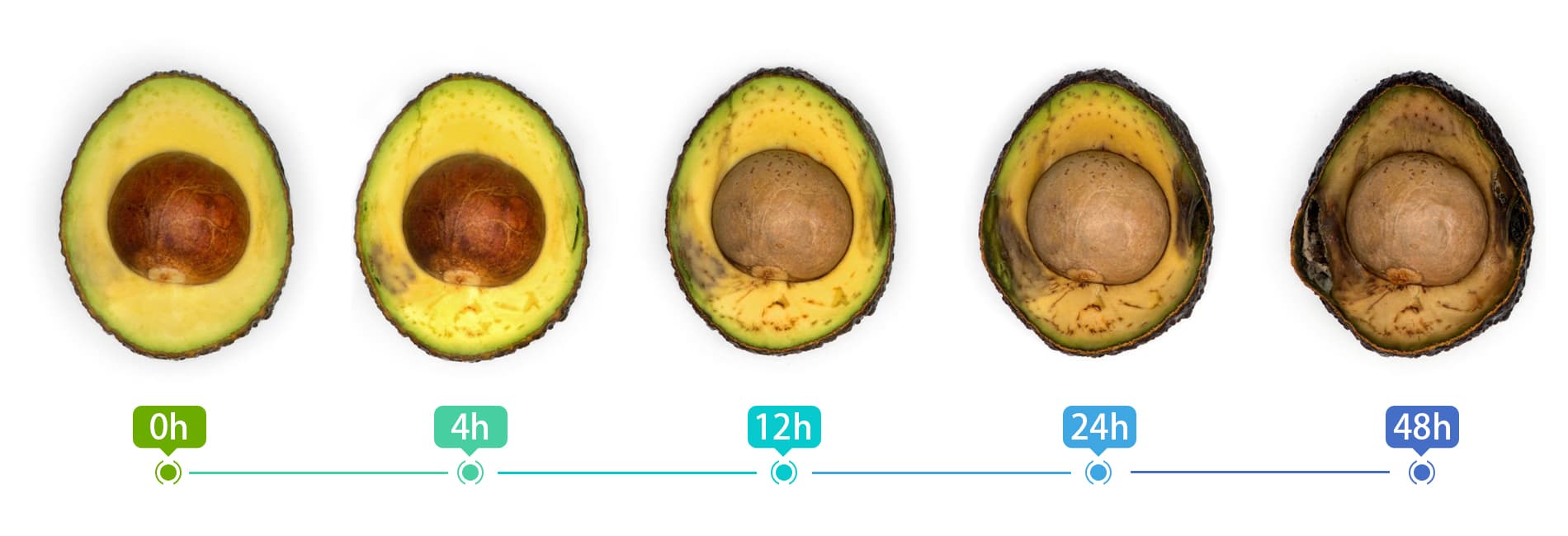
Before you can stop browning, it helps to understand what is actually happening.
When you cut an avocado open, the flesh is exposed to oxygen in the air. This triggers a chemical reaction called oxidation. Enzymes naturally present in the fruit — specifically polyphenol oxidase — react with oxygen and produce brown pigments on the surface.
The same process happens when you bite into an apple and leave it on the counter. With avocados, it happens faster because the flesh is soft and porous, giving oxygen more surface area to work with.
Two things speed up browning significantly:
- Warmer temperatures accelerate the enzyme reactions
- More exposed surface area means more contact with oxygen
Key takeaway: The less air that touches the cut surface, and the cooler the environment, the slower the browning. Every storage method below is essentially trying to solve one or both of these.
How Long Does Cut Avocado Last?
The honest answer: anywhere from 2 hours to 48 hours, depending entirely on how you store it.
Here is what to expect across different scenarios:
|
Storage method |
Expected freshness |
Browning level |
Verdict |
|
Left on the counter |
2–4 hours |
Heavy |
Avoid |
|
Fridge, uncovered |
6–12 hours |
Moderate |
Temporary only |
|
Lemon juice + plastic wrap |
~24 hours |
Light |
Works short-term |
|
Plastic wrap (tight contact) |
~24 hours |
Light–moderate |
Inconsistent |
|
Airtight storage container |
24–48 hours |
Minimal |
Best option |
A slightly brown avocado is not spoiled. The brown layer is oxidized flesh — safe to eat, just less appealing. You can scrape the surface off and the avocado underneath is usually perfectly fine.
5 Storage Methods, Honestly Compared
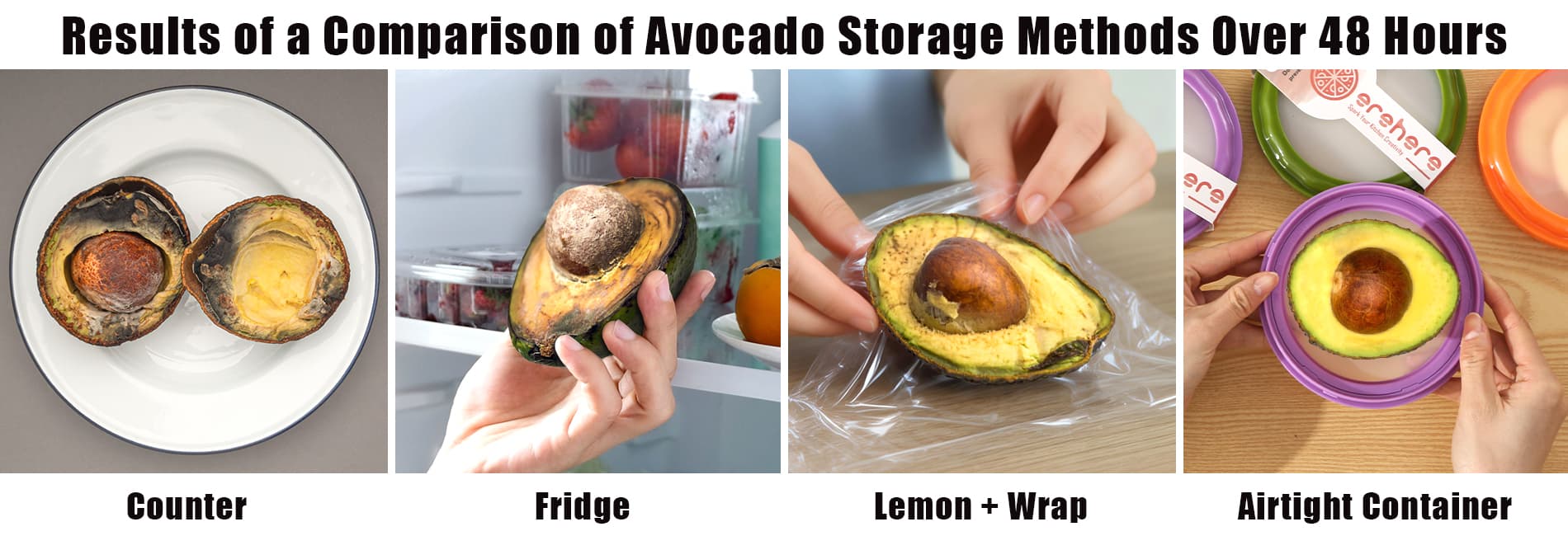
We tested each method with ripe (but not overripe) Hass avocados. Here is what actually happened.
Method 1 — Leave the pit in
The idea: the pit covers part of the flesh and protects it from oxygen.
The reality: the pit only covers a small circular area directly beneath it. The rest of the flesh browns just as fast as if the pit were removed. Leaving the pit in has a negligible effect on overall freshness.
Worth doing? Only if it is the only option available. On its own, this method is unreliable.
Method 2 — Lemon or lime juice
The idea: citric acid slows oxidation by inhibiting the enzymes responsible for browning.
The reality: it works, with a catch. Lightly brushing lemon or lime juice over the cut surface does slow browning noticeably — you can gain several hours compared to leaving the avocado uncovered. However, a few things to keep in mind:
- Too much juice changes the flavor of the avocado — it starts to taste citrusy rather than creamy
- The effect fades after about 12–18 hours regardless
- It does not prevent the avocado from drying out
Worth doing? Yes, especially for same-day storage or when preparing guacamole ahead of time. For overnight storage, combine with refrigeration.
Method 3 — Plastic wrap pressed against the surface
The idea: pressing cling film tightly against the cut surface eliminates the air gap and limits oxygen exposure.
The reality: this works reasonably well when done correctly. The problem is execution — it is hard to press plastic wrap tightly enough against a curved surface to eliminate all air pockets. Any gap means browning continues in that spot.
- Results are inconsistent depending on how tightly the wrap is applied
- Edges and the area around the pit are especially prone to browning
- Generates plastic waste for a method that still only lasts about 24 hours
Worth doing? As a short-term solution when nothing else is available. Not ideal as your regular method.
Method 4 — Store cut side down in cold water
The idea: submerging the avocado in cold water completely blocks oxygen exposure.
The reality: this does work for preventing browning, but it has a significant downside — the avocado absorbs water and becomes waterlogged. The texture suffers after more than a few hours, becoming watery and losing that rich, creamy consistency. The flavor can also become diluted.
Worth doing? Only if appearance matters more than texture (for example, if you need the avocado to look green for a photo). Not recommended for eating.
Method 5 — Airtight avocado storage container (best overall)
The idea: a container with a tight-fitting seal designed for cut produce creates a controlled low-oxygen environment.
The reality: this is the most consistent method across all tests. Avocado stored in a properly sealed container showed minimal browning after 24 hours and was still in good condition at 48 hours — something no other method matched reliably.
Why it outperforms the others:
- The seal limits oxygen exposure across the entire surface — no gaps, no uneven coverage
- The rigid walls prevent the avocado from being crushed or compressed
- No flavor interference compared to lemon juice
- Reusable and dishwasher-safe — less waste than plastic wrap
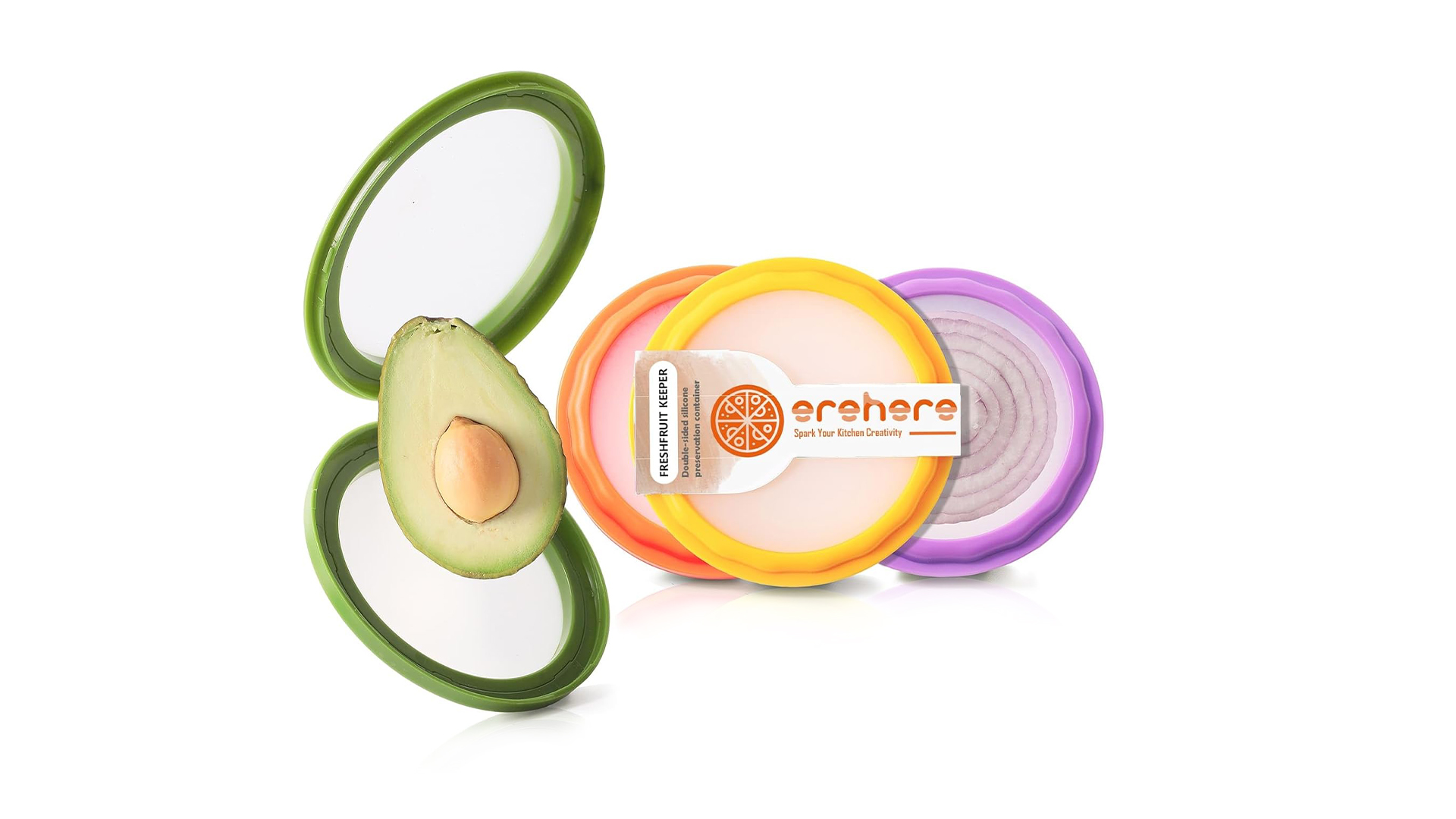
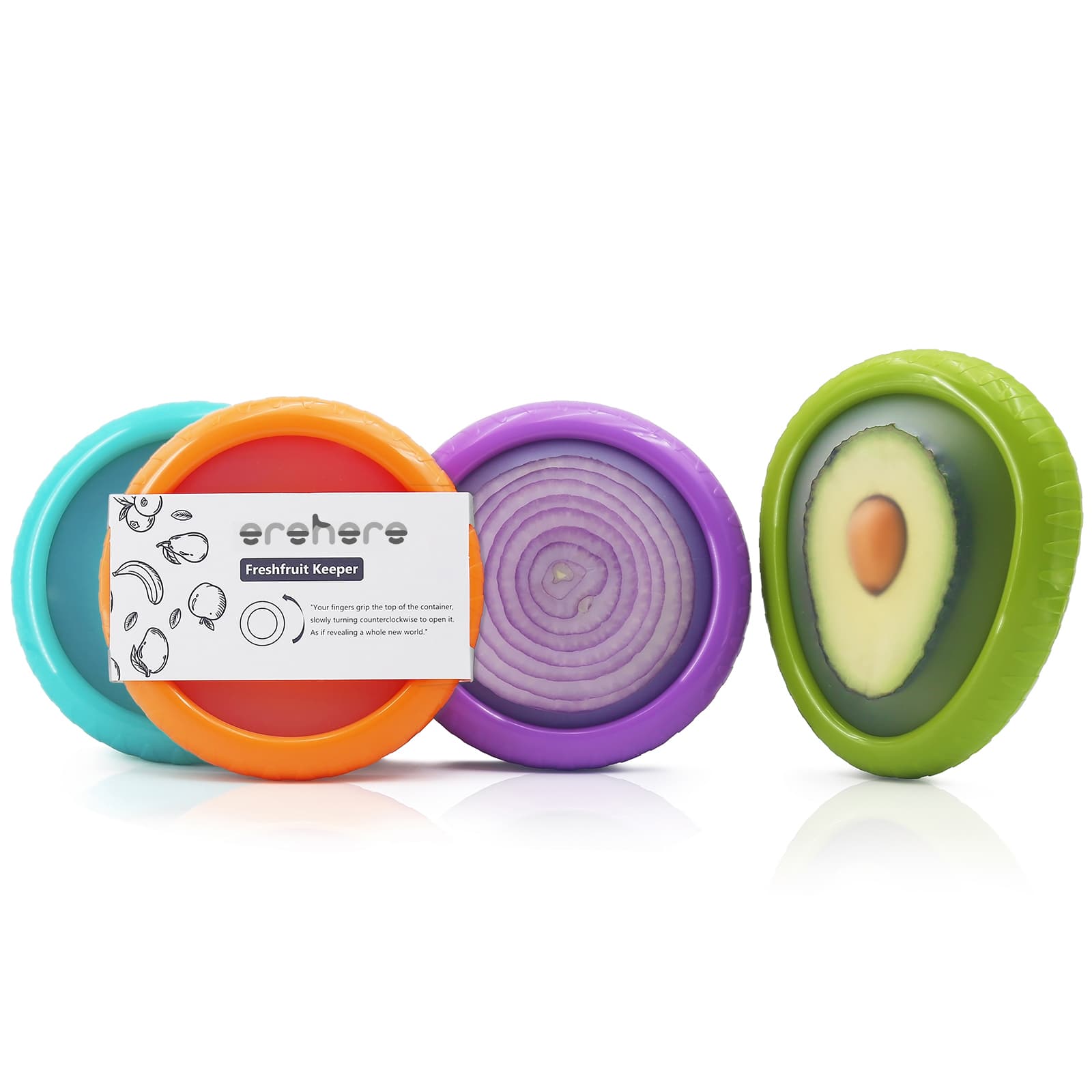
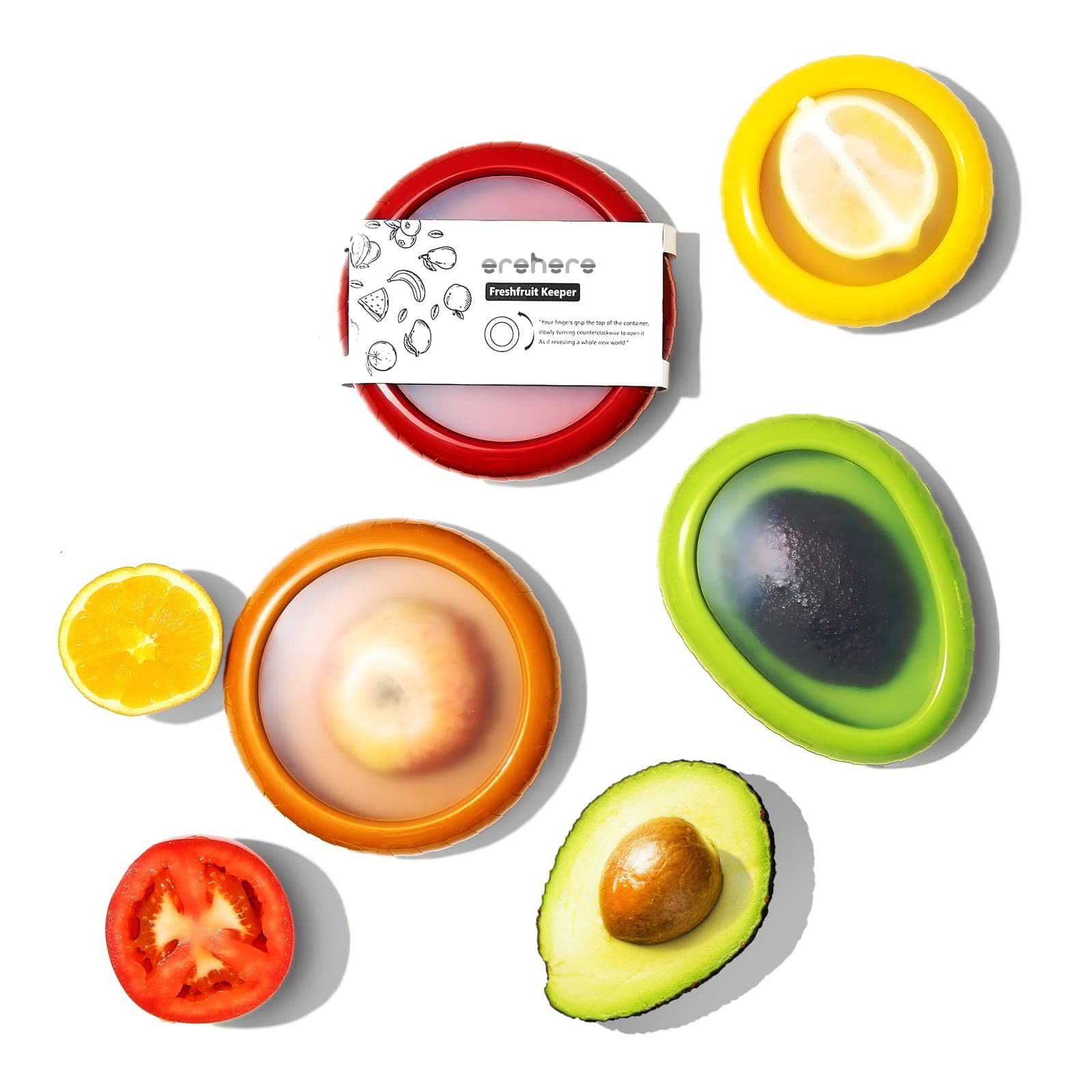
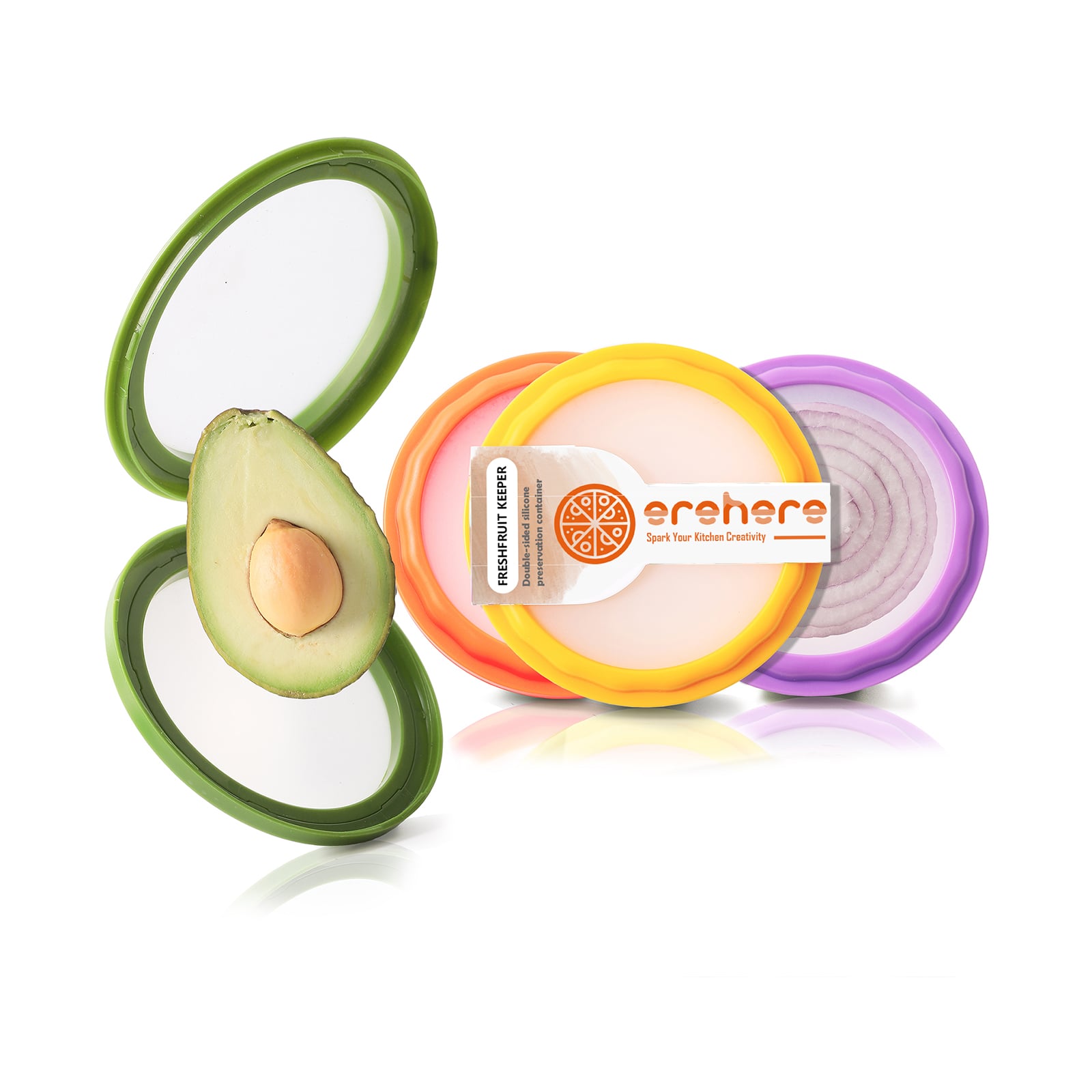
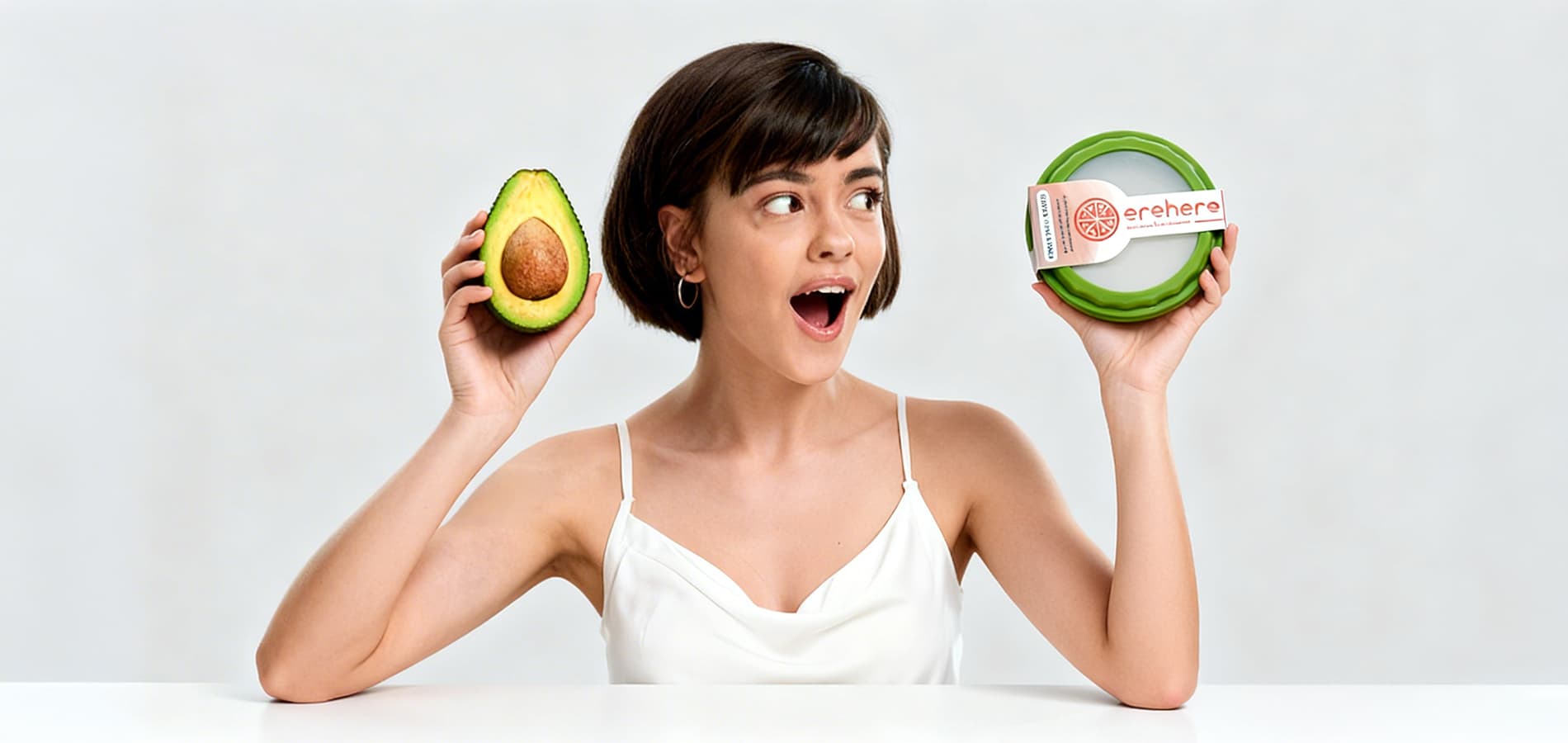
The Erehere Avocado Storage Container uses a food-grade silicone seal and a durable ABS shell. It fits half avocados snugly and also works for onions, tomatoes, and lemons — making it a genuinely versatile kitchen tool rather than a single-use gadget.
Does Ripeness Affect How Long a Cut Avocado Lasts?
Yes — significantly.
- A slightly firm, just-ripe avocado will last longer after cutting than a very soft, overripe one
- Overripe avocados have more oxidation already occurring internally, so browning accelerates faster once cut
- The best time to cut an avocado for storage is when it is just ripe — yielding to gentle pressure but not mushy
If your avocado is already very soft, use it the same day rather than trying to store it.
Common Mistakes That Speed Up Browning
Most avocado storage failures come down to a few predictable errors:
Leaving it on the counter
Room temperature dramatically accelerates oxidation. Even with lemon juice applied, an avocado left at room temperature for several hours will brown. Refrigerate immediately after cutting.
Using a container that is not actually airtight
Not all containers seal equally. A loose-fitting lid still allows air circulation. Make sure your container creates a firm seal against the cut surface.
Storing it cut side up
Placing the avocado cut side up means the flesh faces the open air inside the container. Store it cut side down or face-down against the container floor to minimize air contact.
Waiting too long before refrigerating
Every minute at room temperature after cutting is lost freshness. Get it into the fridge as quickly as possible — ideally within 10–15 minutes of cutting.
Can You Freeze Cut Avocado?
Yes, but with some trade-offs.
Freezing works best for avocado that will be used in smoothies or guacamole, where texture does not matter much. For eating on toast or in salads, frozen-then-thawed avocado becomes mushy and loses its signature creaminess.
If you want to freeze avocado:
- Mash it first with a little lemon juice to slow browning during thawing
- Store in a freezer-safe airtight container or bag with excess air removed
- Use within 3–4 months
- Thaw in the fridge overnight — do not thaw at room temperature
Frequently Asked Questions
Is brown avocado safe to eat?
Yes. Surface browning is oxidation — a chemical reaction, not spoilage. The brown layer is safe to eat, though the flavor and texture are slightly less pleasant. Simply scrape off the top layer and eat the green flesh underneath.
Discard the avocado if you notice a sour or fermented smell, a slimy texture, or mold — those are signs of actual spoilage.
Does leaving the pit in actually help?
Very little. The pit only covers a small area directly beneath it. The surrounding flesh browns at the normal rate. It is a widespread kitchen tip that is mostly ineffective on its own.
How long does guacamole last in the fridge?
Guacamole typically lasts 1–2 days in the fridge when stored in an airtight container with plastic wrap pressed directly against the surface. The lemon or lime juice already in most guacamole recipes helps slow browning.
What is the single best thing I can do to keep avocado fresh?
Minimize air exposure and refrigerate immediately. An airtight container is the most reliable way to do both consistently.
How long does cut avocado last in the fridge?
Cut avocado stored in an airtight container in the refrigerator lasts 24–48 hours while remaining fresh and creamy. Without a proper seal, expect significant browning within 6–12 hours. The key factor is limiting oxygen exposure to the cut surface.
Can you store cut avocado in water?
Storing avocado in water is not recommended. While it does slow surface browning, the FDA has issued a warning that bacteria on the avocado skin — including Listeria monocytogenes and Salmonella — can multiply when submerged in water and potentially contaminate the flesh. An airtight container is both safer and more effective.
How do you know if a cut avocado has gone bad?
Discard cut avocado if you notice: a sour or fermented smell (distinct from normal avocado aroma), a slimy or mushy texture throughout, or visible mold. Surface browning alone is not a sign of spoilage — it is oxidation, which is safe to scrape off and eat.
The Bottom Line
Cut avocado does not have to go to waste. The difference between an avocado that is fresh the next morning and one that is brown and dry is almost entirely down to how quickly you seal it and how well you keep air away from the surface.
Quick reference for the best result:
- Cut the avocado when just ripe, not overripe
- Apply a small amount of lemon juice if you have it
- Seal immediately in an airtight container, cut side down
- Refrigerate within 10–15 minutes of cutting
- Use within 48 hours for best quality
If you regularly eat avocados, a dedicated avocado keeper takes the guesswork out of storage and pays for itself quickly in avocados you no longer throw away.
Browse all our produce storage containers in the Fresh Keepers collection.
See also: How to Store a Cut Onion