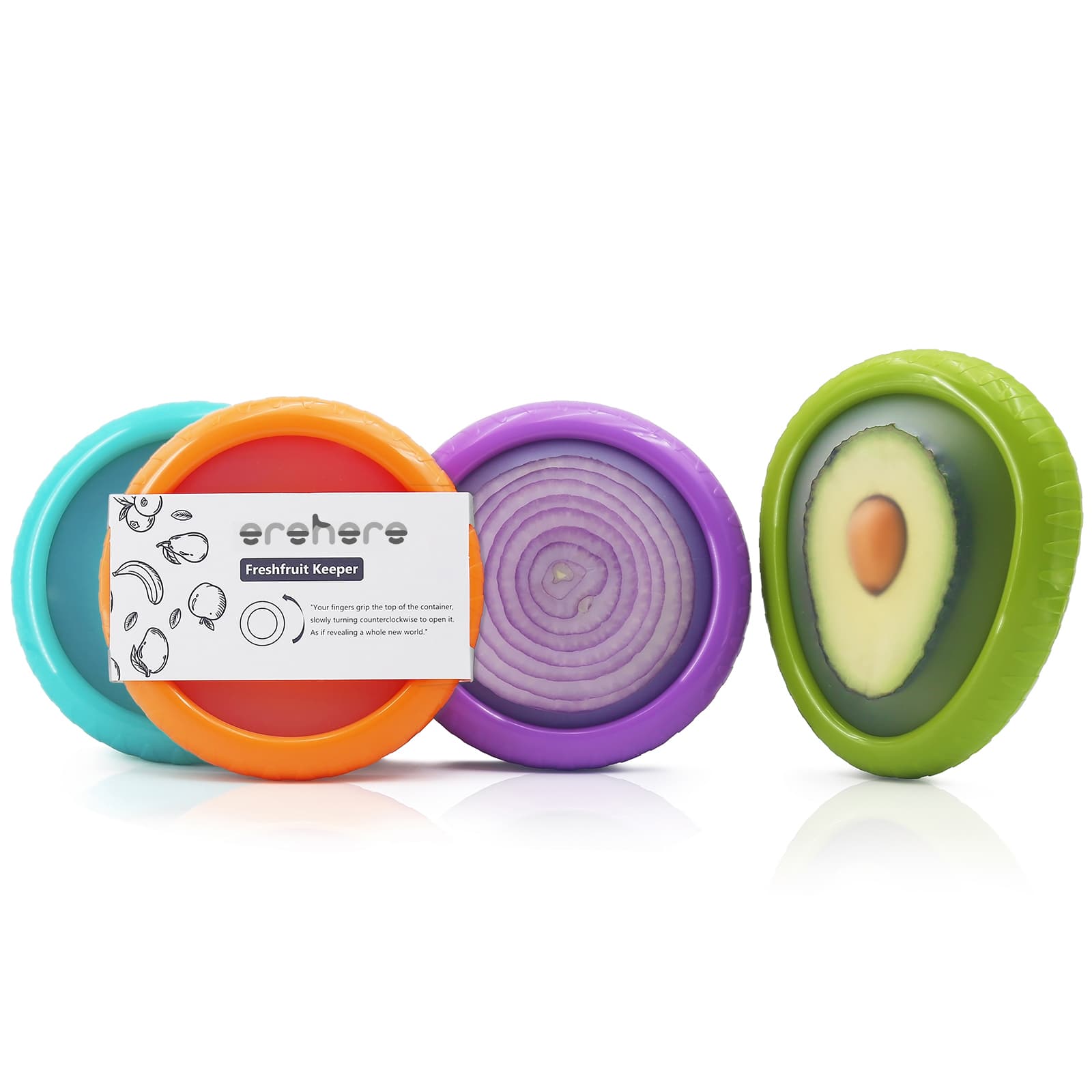
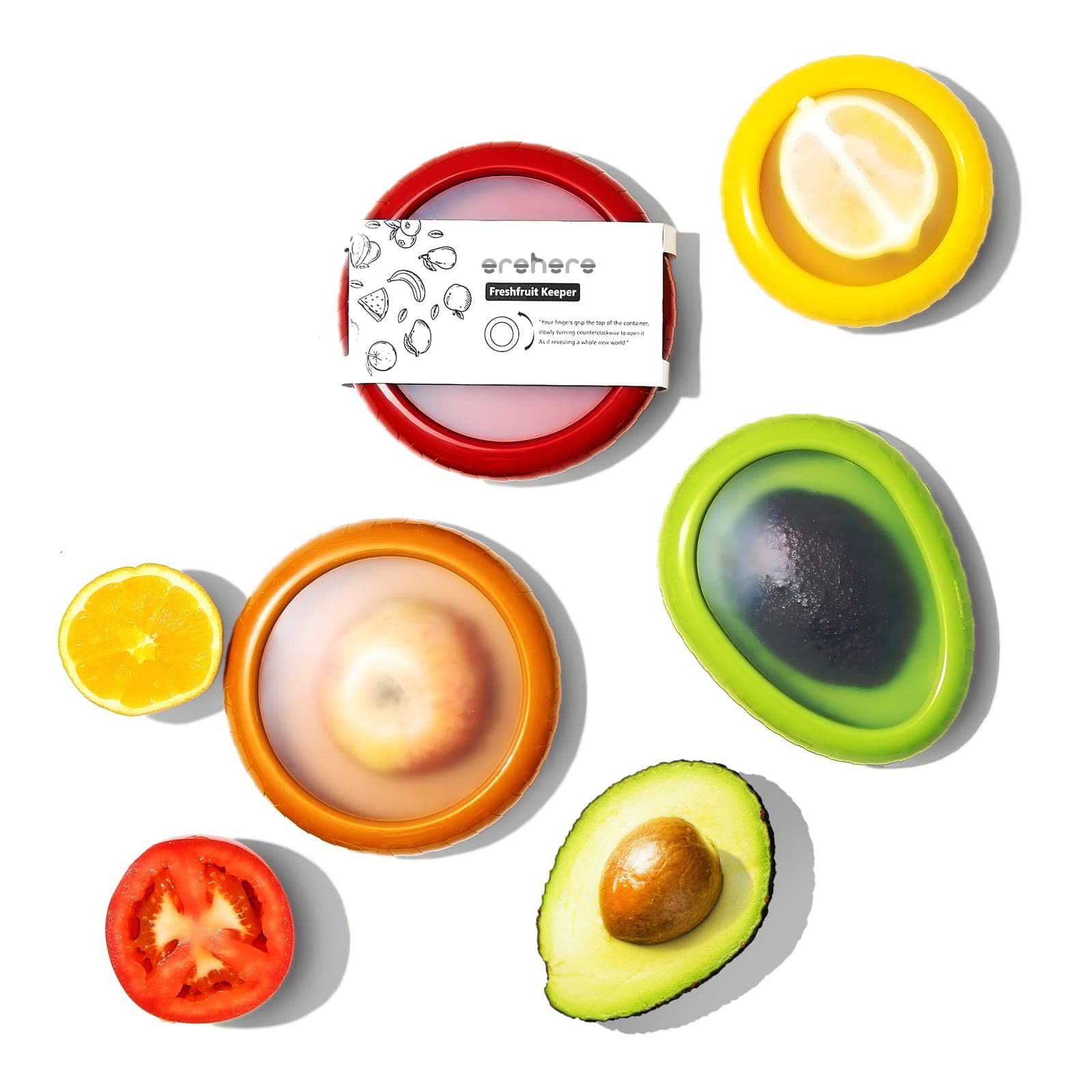
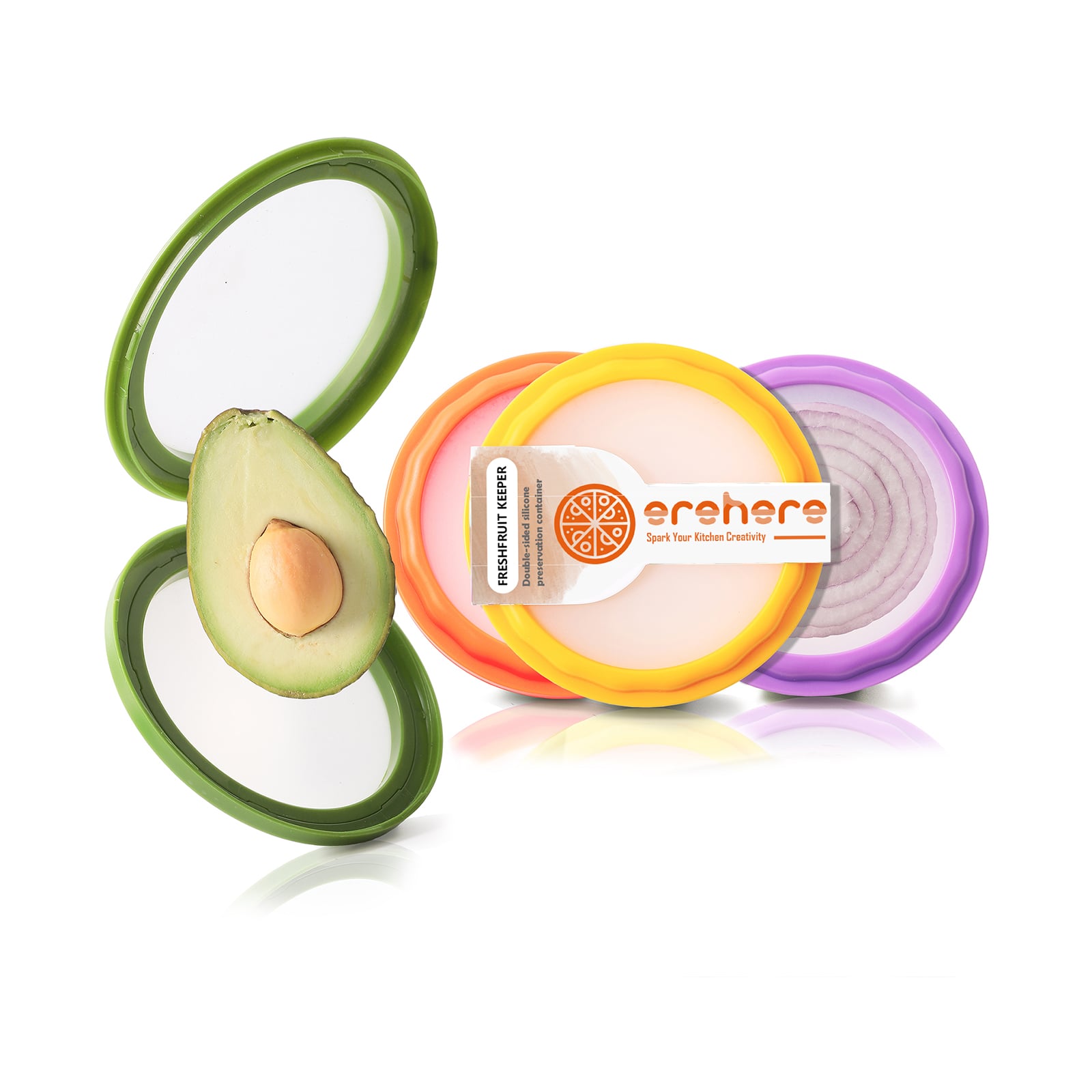
Surprisingly, avocado freshness is often decided after the first cut. Once the flesh meets air, color and texture can shift fast. Therefore, a dedicated avocado storage container with lid becomes a simple way to protect that creamy bite. Instead of relying on loose wrap or awkward bowls, a well-fitting container keeps leftovers practical and keeps the fridge calmer.
What a Freshness Saver Really Does
Firstly, a strong storage setup targets the cut surface, not the whole fruit. The exposed face is where browning starts quickest. Consequently, reducing the air pocket near that face matters most. A lid that sits close helps slow visible darkening without needing extra steps.
Meanwhile, moisture control matters just as much as oxygen control. Fridge air can dry edges, especially on busy shelves. However, a fully sealed space can also trap condensation. A good container balances both, so the flesh stays smooth rather than leathery.
Additionally, odor transfer is a quiet reason avocados taste “off” later. Delicate, buttery notes pick up nearby aromas more easily than expected. As a result, a lid that blocks smells helps keep flavor clean. That single benefit can matter more than color.
Finally, a true freshness saver protects shape. Avocado halves bruise when jars slide or drawers close hard. Therefore, a supportive shell reduces dents and smears. Even small protection helps the flesh stay pleasant in salads and toast.
How the Lid Slows Browning Without Changing Taste
Less air contact, fewer surface changes
In practice, browning starts when oxygen meets the cut surface. So, a lid that reduces airflow slows the reaction at the top layer. Meanwhile, the interior often stays green longer anyway. The goal is to extend that “ready to use” window.
However, not every seal works the same way. Some lids create a large trapped air pocket. Consequently, browning can still happen, just more slowly. A closer fit usually performs better than a loose cover.
Also, contact should stay gentle. Too much pressure squeezes the flesh and pushes out moisture. As a result, the surface can look smeared and feel watery later. A softer sealing surface helps avoid that problem.
A flexible seal helps with real produce sizes
Notably, avocados vary by season and origin. Some are compact; others are tall and wide. Therefore, a lid that adapts slightly can reduce “almost fits” moments. That flexibility keeps the routine consistent across different grocery weeks.
At the same time, a rigid rim adds structure. A supportive edge helps protect soft flesh from bumps. Consequently, the half stays presentable for slicing later. A mixed design—support plus flexibility—often feels easiest day to day.
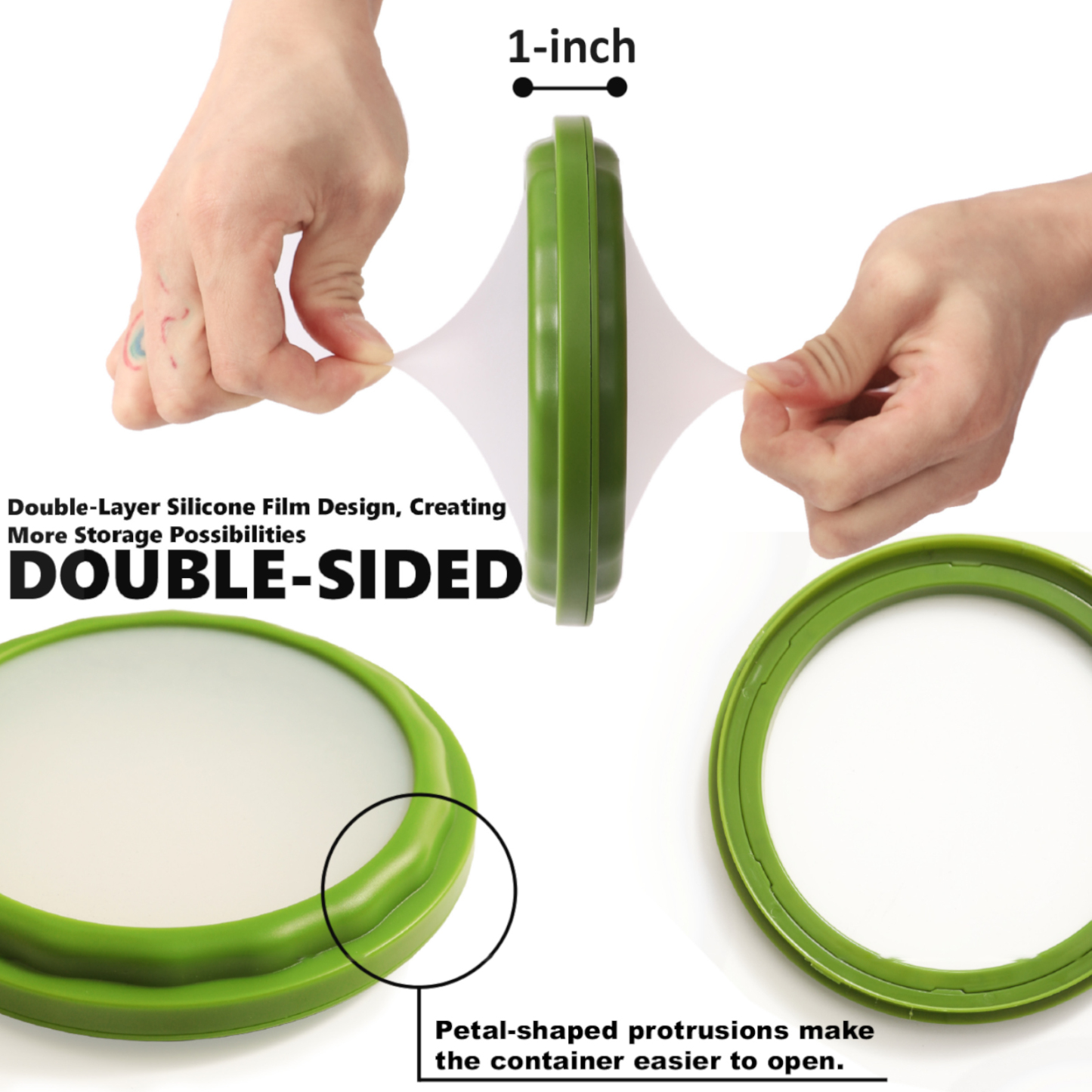
Meanwhile, a gentle sealing surface can sit close to the cut face without crushing it.
Everyday Scenarios Where a Lidded Container Shines
Breakfast routines that repeat all week
To begin with, breakfast is where half-avocado leftovers happen most often. Toast, eggs, and breakfast bowls rarely use a whole fruit at once. Therefore, a container that stores a clean half supports quick mornings. The leftover stays easy to grab and easy to portion.
Next, texture matters more at breakfast than many meals. A dry top layer feels flat on toast. Consequently, better moisture protection keeps the bite creamy. Even when color changes slightly, mouthfeel can stay pleasant.
Meanwhile, speed is the hidden requirement. If closing the lid feels fiddly, the routine breaks. So, smooth open-and-close motion supports consistency. In other words, the lid should work even during rushed weekdays.
Salad, bowl, and sandwich prep
Similarly, lunch prep often needs avocado in slices, not mashed. Half a fruit saved for tomorrow can become a salad topping in seconds. Therefore, a container that keeps the surface smooth supports cleaner slices. That helps presentation and keeps textures even.
Additionally, odor control matters around lunch ingredients. Onions, leftover sauces, and strong cheeses sit nearby in many fridges. Consequently, a sealed lid helps prevent “fridge flavor” in delicate avocado. Cleaner flavor makes simple meals taste fresher.
Moreover, portion planning becomes easier with visible storage. A clearly stored half reduces forgotten leftovers. As a result, weekly groceries stretch further. That makes meal planning feel less wasteful.
Meal prep for mixed ingredients
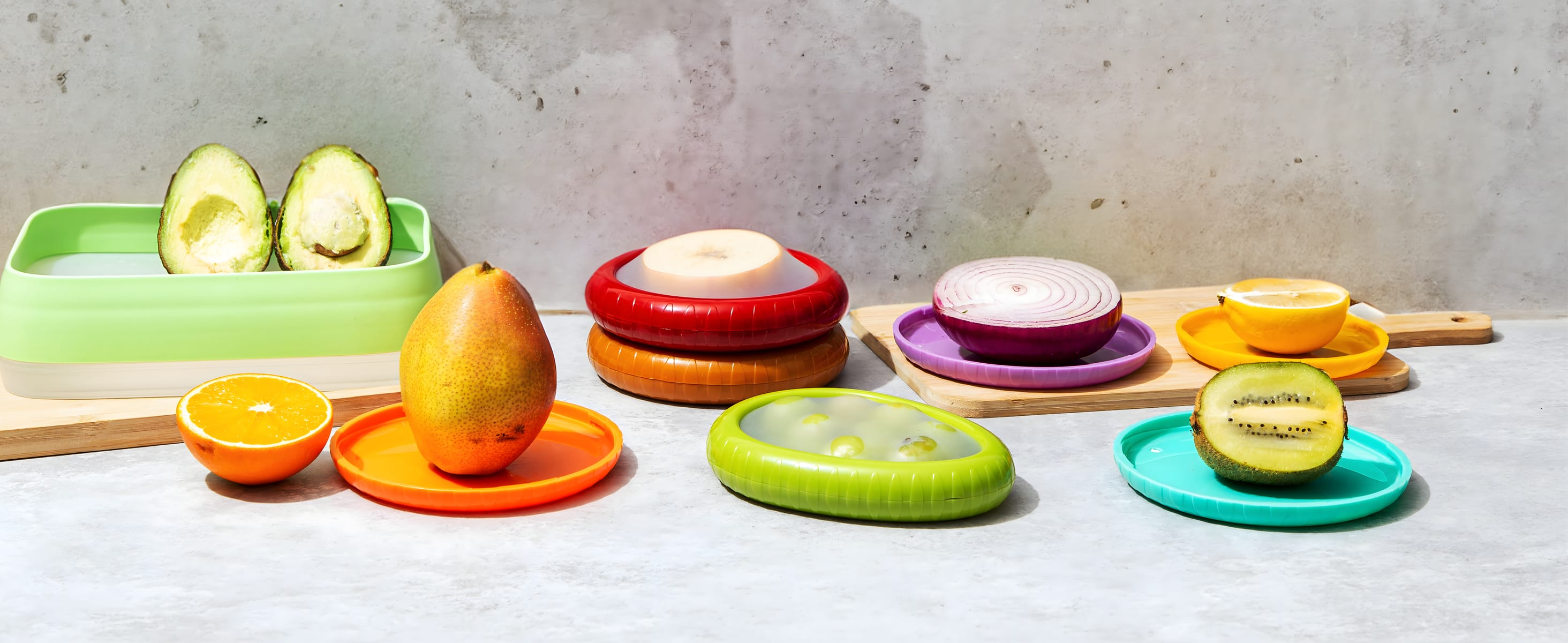
In many kitchens, avocado is not stored alone. Lemon wedges, onion halves, and tomato halves often appear together. Therefore, a container system that handles mixed produce supports batch prep. It also reduces loose items rolling around drawers.
Meanwhile, staging ingredients helps cooking flow. When halves are already stored neatly, prep starts faster. Consequently, recipes feel simpler to execute. That reduces the temptation to skip fresh components.
Also, clean storage reduces mess. Avocado residue can smear on plates and wrap. As a result, using a dedicated container keeps shelves tidy. Less cleanup makes the habit easier to keep.
Packed lunches, picnics, and travel days
Notably, travel compresses soft foods. Lunch bags get squeezed, and containers bump around. Therefore, a structured avocado holder protects the half better than loose wrapping. That keeps the flesh from denting into an unappealing texture.
At the same time, portability benefits more than avocado. Citrus halves, tomatoes, and cheese portions travel better with a lid. Consequently, snack planning becomes more reliable. A compact container can replace several disposable solutions.
Additionally, food safety feels simpler with a firm cover. A sealed lid reduces leaks and keeps sticky residue contained. As a result, lunch storage stays cleaner. That makes reuse more appealing.
Pairing Ideas That Keep Flavor and Texture in Balance
Light acidity when it fits the menu
Firstly, citrus works best when it belongs in the meal. Lime or lemon fits tacos, guacamole, and salad dressings. Therefore, a light brush of juice can support a fresher surface. However, heavy citrus can shift flavor too far.
Meanwhile, acidity can soften the surface over time. Too much liquid can make the top layer slippery. Consequently, the container should not be used as a “bath.” A thin film is enough when acidity is used.
Also, vinegar-based dressings can be paired separately. Keeping dressing away from stored avocado avoids soggy edges. As a result, the half stays more neutral and flexible. That supports different meal options later.
Salt and fat: small moves, big difference
Next, salt changes how avocado tastes after chilling. A lightly seasoned half can taste more “awake” the next day. Therefore, a pinch can help if the planned use is savory. Still, over-salting can pull moisture to the surface.
Meanwhile, fat pairing matters for texture perception. Avocado already carries natural richness. Consequently, adding olive oil on the cut face can feel heavy if used too much. A small amount, used only when it matches the meal, works best.
Also, spices hold up well in storage. Chili flakes, cumin, or pepper can be added at serving time. As a result, stored avocado stays more versatile. That reduces flavor fatigue during the week.
Aromatic neighbors and odor control
Importantly, onion and garlic aromas travel through fridge air. Even when containers are “closed,” weak seals can allow odor transfer. Therefore, a lid that blocks smells protects avocado flavor. The difference becomes obvious after overnight storage.
Meanwhile, storing avocado away from pungent foods can help. Placing the container in a produce drawer reduces odor exposure. Consequently, flavor stays cleaner. That simple placement change can improve results.
Additionally, herbs can add a fresh note. Cilantro or parsley placed nearby (not pressed against the flesh) keeps aromas bright. As a result, meal assembly feels more vibrant. The container helps keep herbs from drying too fast too.
Tool pairings that make storage easier
Firstly, a clean cut surface stores better than a torn surface. A sharp knife reduces ragged edges. Therefore, slicing with steady pressure helps the surface stay smooth. That can slow patchy browning.
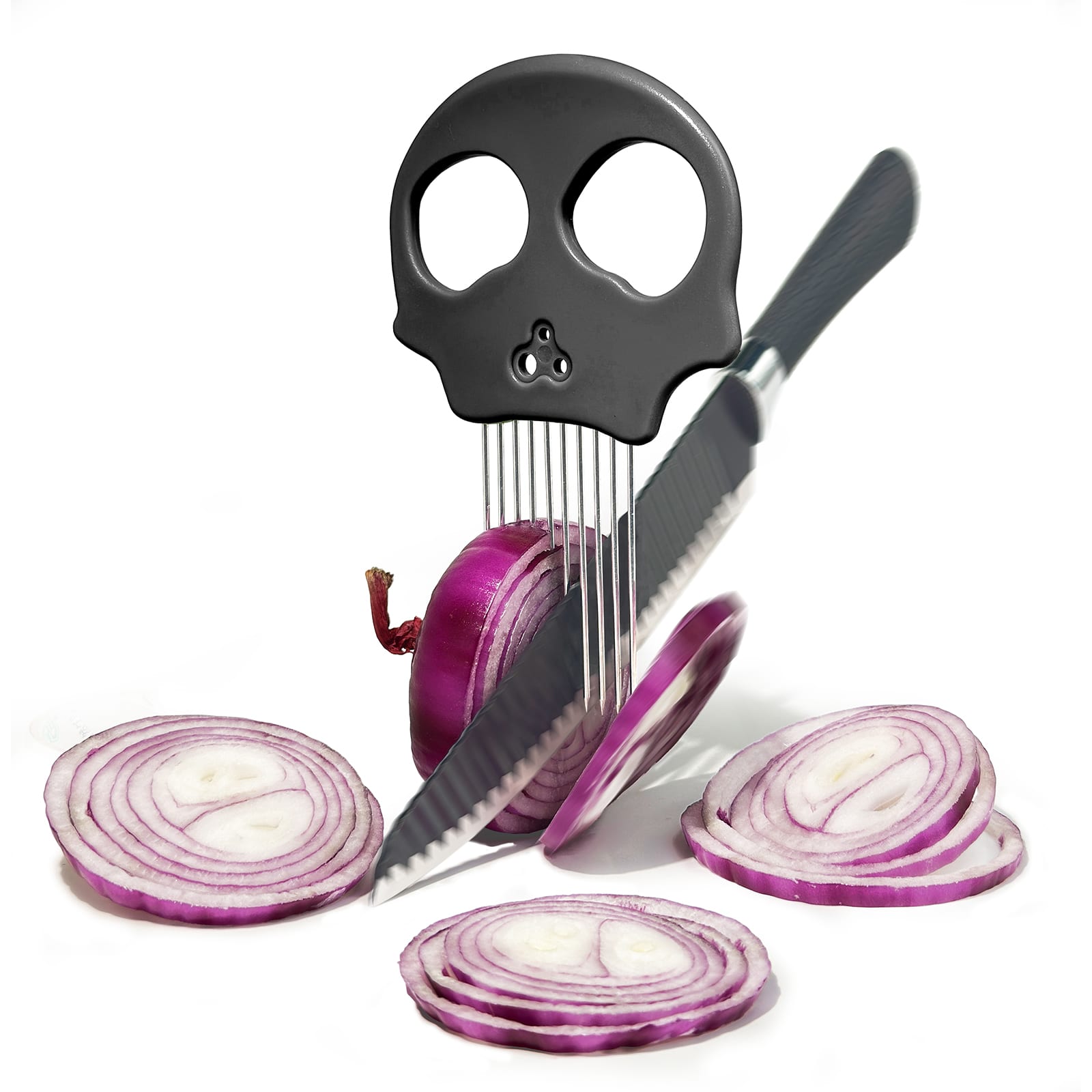
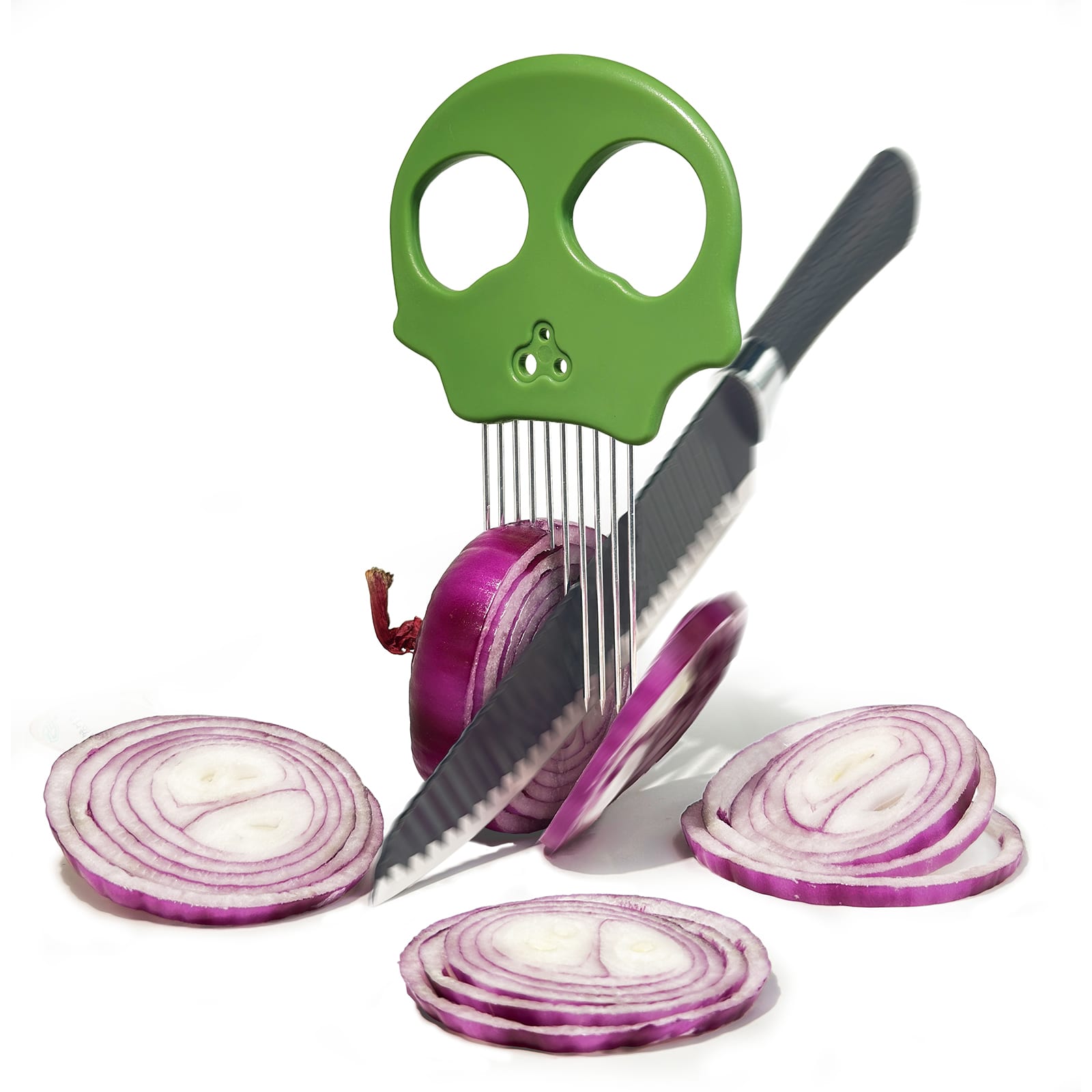
Meanwhile, an avocado slicer can support consistent wedges. Uniform slices reduce broken areas that brown faster. Consequently, the stored half looks more even later. That matters for salads and plated snacks.
Also, a stable cutting board prevents slips. Safer prep reduces rushed cuts. As a result, surfaces stay cleaner and smoother. Better prep supports better storage results.
A Simple Storage Workflow That Stays Repeatable
Step 1: Choose the right moment to cut
To start, timing controls half the outcome. Cutting too early leaves a firm half that may taste bland. Therefore, waiting until gentle pressure yields slightly helps. The stored half will taste better later.
However, cutting too late creates a very soft half. Overripe avocados bruise easily and mash under pressure. Consequently, a container can protect shape, but it cannot reverse overripeness. Choosing the “just ripe” window matters.
Meanwhile, ripeness often differs across the same bag. One avocado can be used today while another waits. As a result, a container supports staggered use. That makes weekly planning easier.
Step 2: Make a clean cut and keep the surface smooth
Next, cut through the fruit cleanly and separate halves carefully. A ragged tear increases surface damage. Therefore, twisting gently keeps the flesh intact. Less damage helps the surface look better later.
Additionally, leaving the pit can help some routines. The pit covers a small area of the flesh. However, most browning happens on the exposed face anyway. So, the lid still matters more than the pit.
Meanwhile, removing loose bits helps storage. Smears around the rim can dry and taste bitter. Consequently, wiping the edge lightly keeps the stored half cleaner. That also helps the lid seal better.
Step 3: Seal with gentle contact, not heavy pressure
Then, place the cut face where the lid can sit close. The goal is to reduce air volume near that face. Therefore, a close-fitting lid helps. It also reduces the need for additional tricks.
However, pressing too hard can squeeze the flesh. Soft avocado can deform and become watery. Consequently, a lid that seals with light pressure is better. Gentle contact keeps texture creamier.
Additionally, avoid sealing a wet surface with pooled liquid. Water droplets can cause slick areas. As a result, patting the surface lightly can help. The container will control moisture better afterward.
Step 4: Place the container where temperature stays steady
Finally, put the container on a stable shelf or in a produce drawer. The fridge door swings in temperature often. Therefore, a middle shelf tends to be steadier. Stability helps keep texture consistent.
Meanwhile, avoid stacking heavy items on top. Weight can press the lid and bruise the avocado. Consequently, giving the container a clear space helps. That also reduces spills and mess.
Also, store the container away from strong odors when possible. Onion-heavy areas can affect flavor. As a result, a dedicated “fresh produce zone” helps. The fridge feels more organized too.
Building a Fridge System That Keeps Avocados Ready
Use a simple “half-produce” zone
Firstly, designate one drawer corner or one shelf bin for cut produce. That reduces scattered leftovers. Therefore, the container becomes part of a system, not a one-off tool. Systems are easier to repeat.
Meanwhile, clear zones reduce time with the fridge door open. Less searching keeps temperature steadier. Consequently, stored food stays more stable. That supports better texture.
Additionally, grouping cut produce helps planning. Seeing stored halves encourages earlier use. As a result, fewer items get forgotten. That reduces waste without extra effort.
Use color and visibility for quick recognition
Next, visibility supports speed. A clear lid makes it easy to recognize contents. Therefore, fewer containers get opened “just to check.” That helps keep surfaces protected.
Meanwhile, color can support quick scanning. Different colors can represent different foods or days. Consequently, rotation feels easier. That can be especially helpful during meal prep weeks.
Also, compact storage keeps shelves calmer. When containers fit neatly, space is used better. As a result, the fridge looks less cluttered. An organized fridge supports healthier choices.
Keep cleaning simple so the routine sticks
Importantly, any tool must clean quickly. If washing feels annoying, the tool becomes a “someday” item. Therefore, smooth surfaces and simple seams help. Quick rinse routines support daily use.
Meanwhile, drying matters more than expected. A damp lid can trap odors over time. Consequently, air-drying fully helps keep smells clean. That also supports longer-lasting materials.
Additionally, keeping one container ready helps consistency. A clean, dry container encourages immediate storage after cutting. As a result, less avocado sits exposed. Small habits improve outcomes.
Choosing the Right Container: What to Look For
Material and food-contact surfaces
Firstly, food-contact materials should feel sturdy and smooth. Rough surfaces trap residue and odors. Therefore, smooth interiors clean faster. That supports repeat use.
Meanwhile, silicone edges can help seal without crushing. Flexible films can adapt to different shapes. Consequently, the cut surface gets better contact. That can reduce browning and surface drying.
Also, a rigid shell protects softness. A structured body resists dents from busy shelves. As a result, the avocado half stays intact. Protection matters for both looks and texture.
Lid mechanics and daily usability
Next, opening should feel predictable. Twisting lids can feel secure when designed well. However, lids should not require high effort. Easy opening supports daily habits.
Meanwhile, grip texture matters after washing. Smooth, slippery rims can be annoying. Consequently, small ridges or a matte finish help. Better grip prevents drops and spills.
Additionally, lids should seal consistently over time. A lid that warps loses reliability. As a result, storage results become inconsistent. Durable design supports long-term use.
Size, fit, and shape
Importantly, avocado size varies widely. A container that fits one week may feel tight another week. Therefore, a flexible sealing area can help. That reduces size mismatch issues.
Meanwhile, depth matters for pit-on or pit-off storage. Some halves sit taller in the center. Consequently, extra depth prevents smearing. A good fit keeps the surface smooth.
Also, shape-specific holders speed recognition. An avocado-shaped base is easy to spot quickly. As a result, it supports breakfast routines. However, extremely large avocados may require more flexible options.
Cleaning and long-term upkeep
To begin with, cleaning should be fast. Avocado oils cling to surfaces. Therefore, warm water and mild soap help. Quick rinses prevent buildup.
Meanwhile, dishwasher-safe parts can support busy weeks. Still, hand-wash simplicity remains important. Consequently, fewer grooves and fewer hidden seams help most. That keeps the routine realistic.
Also, storing the container dry helps. Moisture trapped in seams can cause odor. As a result, air-drying after washing is worth it. That small step supports freshness.
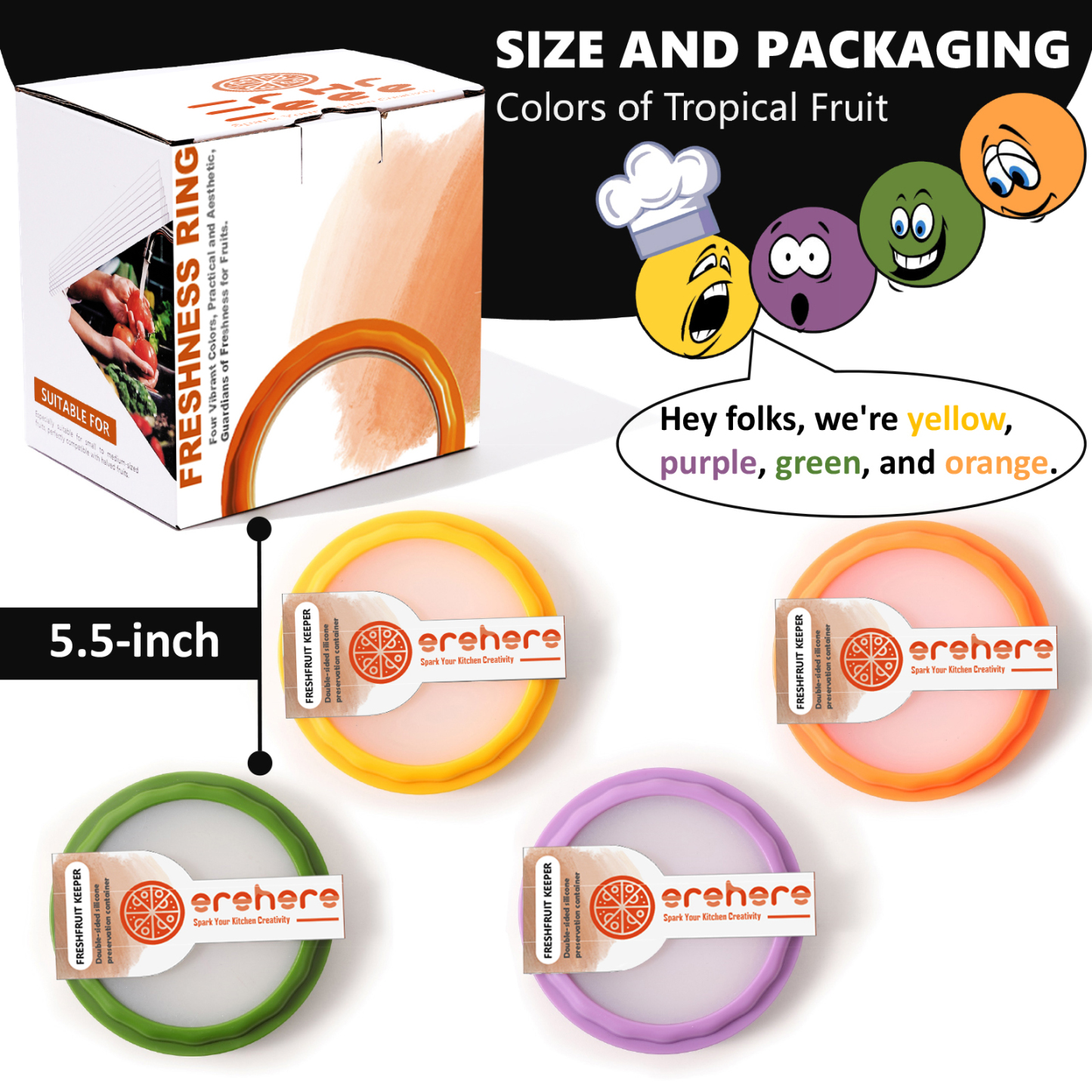
Additionally, size clarity helps match the container to typical produce portions.
Beyond Avocados: Other Foods That Benefit From the Same Tool
Onion halves and odor-heavy produce
Firstly, onions benefit from sealed storage. Odor spreads quickly in fridge air. Therefore, a lidded container keeps smells contained. That protects nearby foods.
Meanwhile, onion surfaces dry out fast. A cover limits edge drying. Consequently, the onion stays easier to slice later. That reduces waste and improves texture.
Also, separate storage prevents flavor mixing. Avocado stored beside onion can taste sharp. As a result, keeping each item sealed helps. The fridge smells cleaner too.
Citrus halves, wedges, and slices
Next, lemons and limes often get used in portions. Half a lemon may sit uncovered and dry. Therefore, a container keeps it juicy longer. That supports dressings and drinks.
Meanwhile, citrus oils can perfume a fridge. Sealing helps contain that aroma. Consequently, delicate foods stay more neutral. That matters for dairy and baked goods.
Also, citrus wedges travel well in a sealed pod. Packed lunches benefit from leak control. As a result, salads and bowls can be finished fresh. That keeps meals brighter.
Tomatoes, cheese portions, and small snacks
Additionally, tomato halves soften quickly after cutting. A supportive container protects the cut face and reduces drying. Consequently, slices stay cleaner for sandwiches. Presentation improves too.
Meanwhile, small cheese portions benefit from odor control. A sealed lid reduces cross-aroma transfer. As a result, cheese tastes cleaner. That also keeps the fridge calmer.
Also, snack portions become simpler with small sealed storage. Nuts, berries, and sliced fruit stay contained. Consequently, grab-and-go setups feel easier. The container supports consistent routines.
Common Mistakes That Reduce Freshness
Leaving the half exposed before sealing
Firstly, the first minutes after cutting matter. Leaving the half out invites oxygen exposure early. Therefore, sealing promptly helps. That slows browning sooner.
Meanwhile, multitasking often causes delays. Prep can get busy, and the half sits. Consequently, building a “cut, seal, chill” habit helps. Small steps reduce waste.
Also, moving between counter and fridge creates swings. Temperature changes can affect texture. As a result, keeping the half chilled consistently helps. Stability supports better mouthfeel.
Sealing with excess moisture or residue
Next, wet surfaces can create slick spots. Condensation may form under a tight lid. Therefore, avoiding pooled water helps. A quick pat keeps surfaces cleaner.
Meanwhile, residue on sealing edges reduces performance. Oil and bits can break the seal. Consequently, wiping the rim lightly supports better closure. Better closure supports better results.
Also, overfilled containers can smear food into the lid. Smears dry and cause odors. As a result, leaving space prevents mess. Clean storage makes reuse easier.
Using the wrong size or applying too much pressure
Importantly, a too-small container compresses the flesh. Compression changes texture quickly. Therefore, choosing a fit that closes without strain matters. Gentle contact is better than force.
Meanwhile, a too-large container traps excess air. More air volume increases browning risk. Consequently, closer-fit options perform better. That is especially true for very ripe halves.
Also, stacking heavy items on top creates pressure points. Pressure bruises soft flesh. As a result, giving the container a clear space helps. Protection preserves texture.
Flavor, Texture, and “Freshness Feel” After Refrigeration
Keeping the creamy bite
Firstly, “fresh” is not only color. Avocado is loved for creamy texture and mild richness. Therefore, reducing drying is key. Dry surfaces feel chalky on toast.
Meanwhile, moisture balance keeps the bite smooth. Too much moisture makes the surface slick. Consequently, balanced sealing matters. Good lids aim for that balance naturally.
Also, avoiding odors protects delicate notes. Avocado can taste dull when it absorbs fridge smells. As a result, odor control keeps flavor cleaner. Clean flavor makes simple meals taste better.
Using chilled avocado in different dishes
Next, chilled avocado works best with contrast. Crisp greens, crunchy bread, and bright citrus help. Therefore, stored halves can still feel lively. Pairing matters after refrigeration.
Meanwhile, warming slightly can improve texture. A few minutes at room temperature can soften the bite. Consequently, stored halves can feel creamier again. Timing can be adjusted based on the dish.
Also, mashing changes the perception of storage. A slightly dark surface can be scraped or mixed in. As a result, guacamole and spreads stay practical. The container keeps the bulk usable.
Practical Ways to Combine Storage With Kitchen Habits
Meal prep grids and snack stations
Firstly, a snack station reduces random grazing. Cut fruit, cheese, and avocado can be staged neatly. Therefore, sealed storage supports healthier snacks. The fridge becomes easier to navigate.
Meanwhile, pairing with prepped proteins helps. Cooked chicken, beans, or eggs can sit nearby. Consequently, bowls and salads assemble quickly. Faster assembly supports better consistency.
Also, a container system supports rotation. Items can be used in order of cutting date. As a result, fewer leftovers get lost. That keeps planning realistic.
Cooking days and hosting setups
Next, hosting often uses partial ingredients. Half an avocado for a dip can leave a second half unused. Therefore, sealed storage supports next-day lunches. That reduces waste after gatherings.
Meanwhile, snack boards benefit from fresh-looking slices. Smooth surfaces cut cleaner. Consequently, a protected half makes later slicing easier. Presentation stays nicer.
Also, pre-portioning reduces last-minute prep stress. Having stored halves ready helps. As a result, hosting feels simpler. Small conveniences add up.
A Quick Internal Link Map for On-Site Reading
Meanwhile, broader kitchen organization ideas live on EreHere. Additionally, product browsing stays simple through the store’s All products collection. For deeper avocado science and storage context, the post on why avocados go bad so fast and how to keep them fresh longer offers a helpful foundation. Finally, more kitchen tools and storage concepts can be explored via EreHere kitchen tools.
FAQ: Common Questions About Lidded Avocado Storage
1) Should the pit stay in during storage?
Generally, the pit can stay if it suits the next use. However, browning still happens on the exposed surface. Therefore, the seal remains the most important part.
2) Is lemon juice required for good results?
Not always, because sealing already reduces air exposure. Meanwhile, lemon changes flavor slightly. Consequently, citrus works best when it fits the planned dish.
3) How long does a cut half stay usable in the fridge?
Timing depends on ripeness at the moment of cutting. However, a close-fitting lid usually extends usability noticeably. As a result, next-day use becomes more reliable.
4) Why does the surface sometimes look watery?
Often, that comes from moisture trapped under a tight seal. Therefore, avoiding pooled liquid helps. Also, gentle sealing prevents squeezing out moisture.
5) Why does avocado sometimes taste like the fridge?
Odor transfer is a common culprit. Meanwhile, pungent foods amplify the issue. Consequently, a better seal and smarter placement help protect flavor.
6) Is a rigid shell better than a soft cover?
Both roles matter, and each solves a different problem. A rigid shell protects from bumps. Meanwhile, a flexible seal improves surface contact.
7) Does storing avocado in the door work well?
Usually, the door is the warmest and least stable spot. Therefore, a middle shelf or drawer is better. Stability supports better texture.
8) Can the same container store onions and avocados?
Yes, but strong odors can linger. Therefore, thorough washing and complete drying matter. Separate containers can be helpful in odor-heavy kitchens.
9) How should the container be cleaned to avoid odors?
Warm water and mild soap remove avocado oils best. Meanwhile, quick cleaning prevents residue buildup. Consequently, air-drying fully helps prevent lingering smells.
10) Does a tighter seal always mean better freshness?
Not always, because over-sealing can trap condensation. Therefore, balance matters. A close fit with gentle contact often performs best.
11) What matters more: container size or lid design?
Both matter, yet lid design often decides daily usability. Meanwhile, size affects air volume and pressure. Consequently, the best choice balances fit and easy closure.
12) Can stored avocado be used for smooth spreads later?
Yes, especially when the bulk stays creamy. However, surface discoloration may be scraped lightly if desired. As a result, spreads and bowls remain easy options.
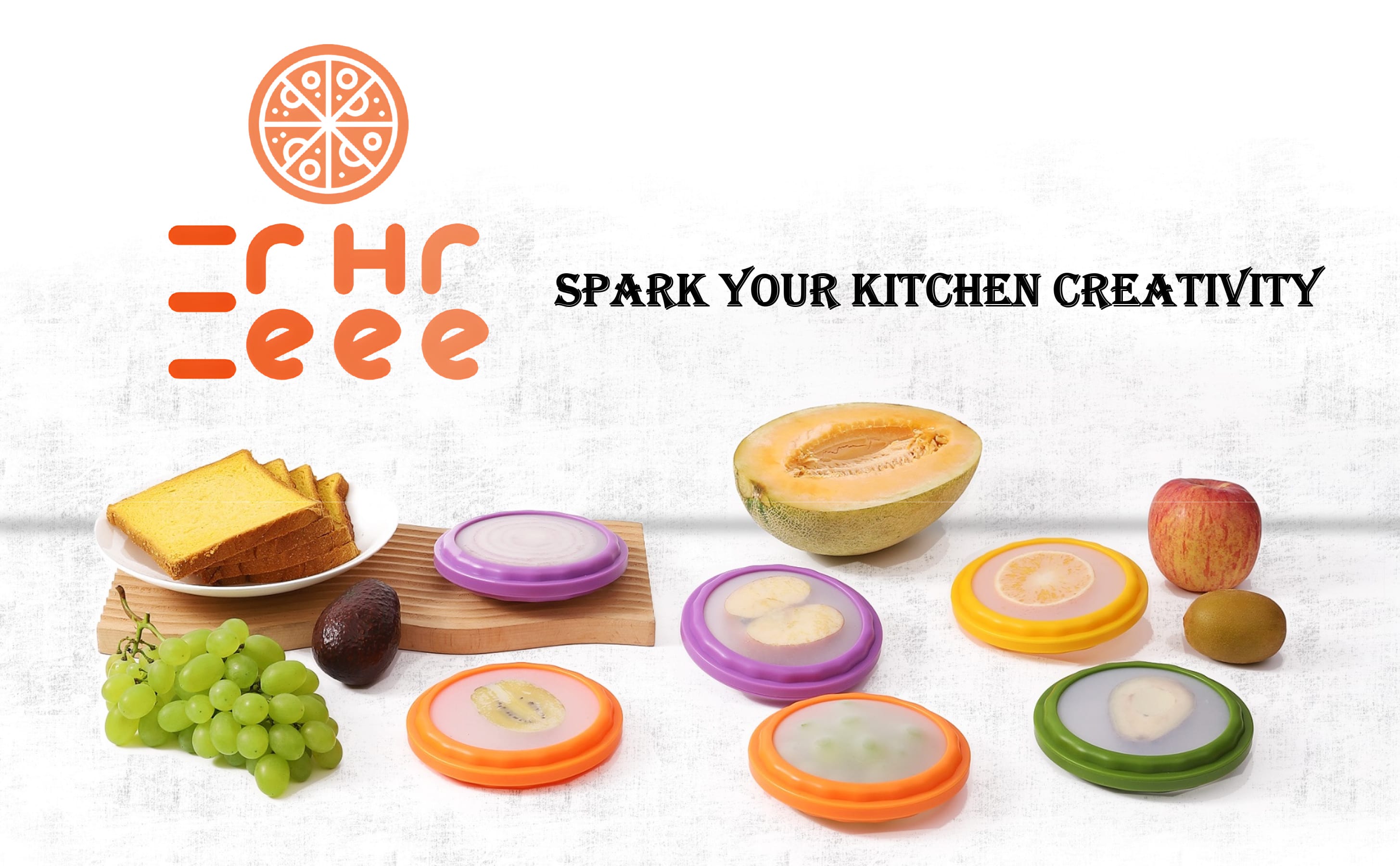
However, a consistent storage system can support many foods beyond avocados.
Choosing With Confidence: A Simple Decision Framework
Firstly, start with the weekly pattern. If halves appear only occasionally, one versatile container may be enough. Meanwhile, frequent meal prep benefits from having more than one. Routine should decide quantity, not impulse.
Next, prioritize lid ease over complicated features. A lid that closes smoothly gets used. Consequently, daily storage becomes automatic. The most “advanced” container is the one that stays in rotation.
Additionally, match the seal style to typical produce sizes. Flexible sealing handles variability better. Meanwhile, shape-specific holders boost recognition and speed. The best fit depends on which problem matters more.
Also, consider cleaning realism. A tool that cleans fast stays in use. Therefore, smooth surfaces and simple seams matter. Durability matters too, because habits rely on reliable tools.
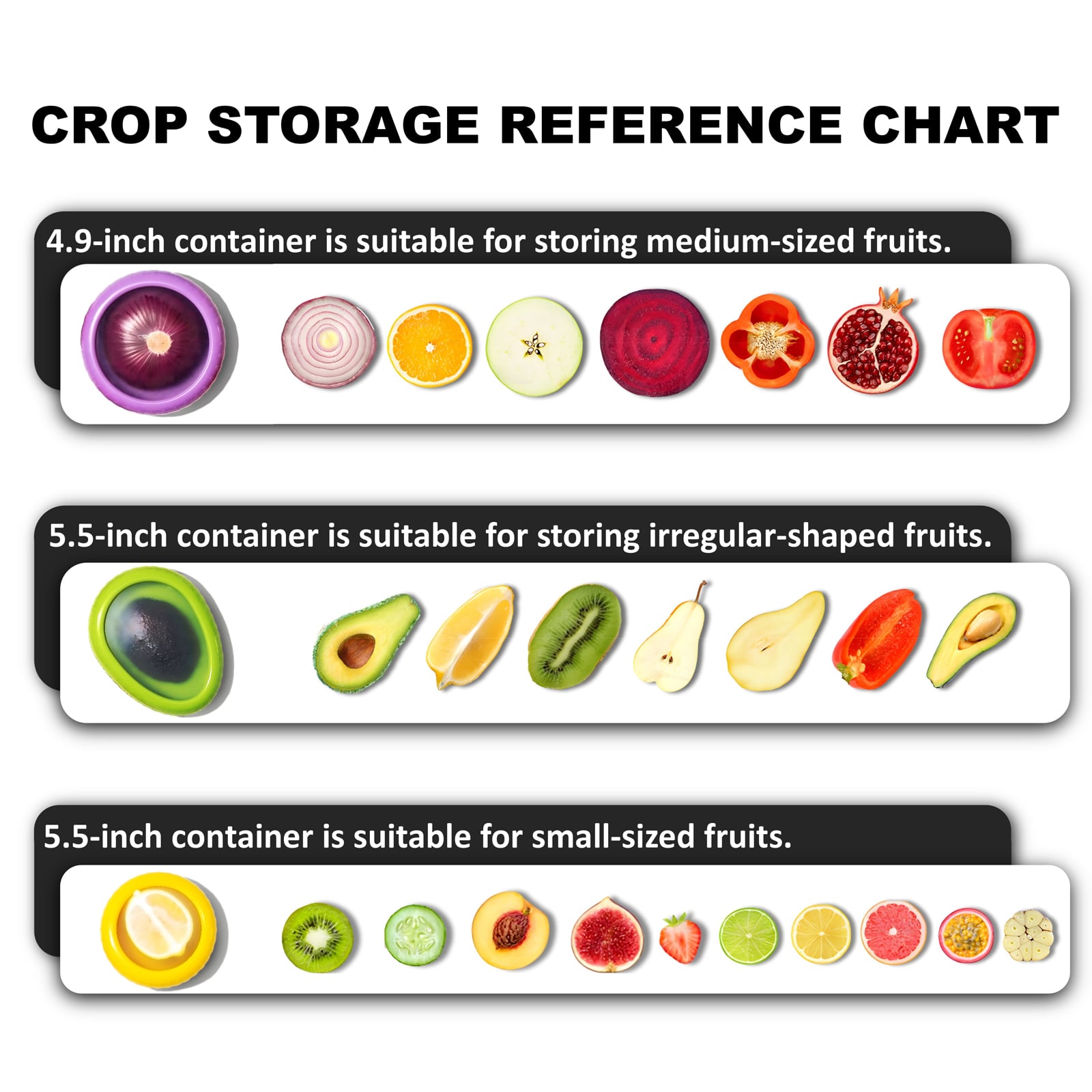
Finally, size matching helps avoid both crushing pressure and excess trapped air.
Summary and Three Practical Next Steps
Overall, a lidded avocado container works best as part of a repeatable routine. Therefore, the best results come from quick sealing, steady refrigeration, and clean storage habits. Meanwhile, pairing the container with smart fridge placement helps keep flavor clear and texture creamy.
-
Firstly, seal the cut half promptly and store it on a stable middle shelf.
-
Secondly, keep a small “cut produce zone” to prevent forgotten leftovers.
-
Lastly, wash and air-dry the lid fully to reduce lingering odors.
In closing, practical freshness comes from small habits that repeat easily. Therefore, the final setup should feel effortless, not complicated. This post includes 4 on-site product images from the store collection, plus internal links for browsing and deeper reading. For a simple hub that ties the routine together, the linked homepage anchor above and this final reference to avocado storage container with lid keep the focus keyphrase connected to the main site entry point.